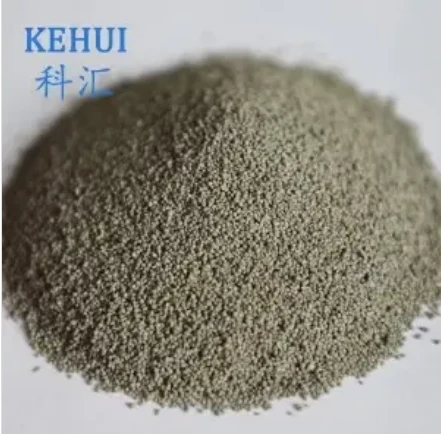
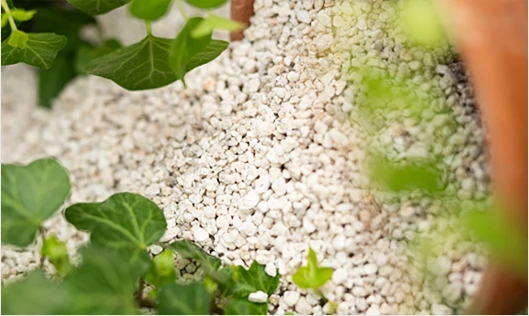
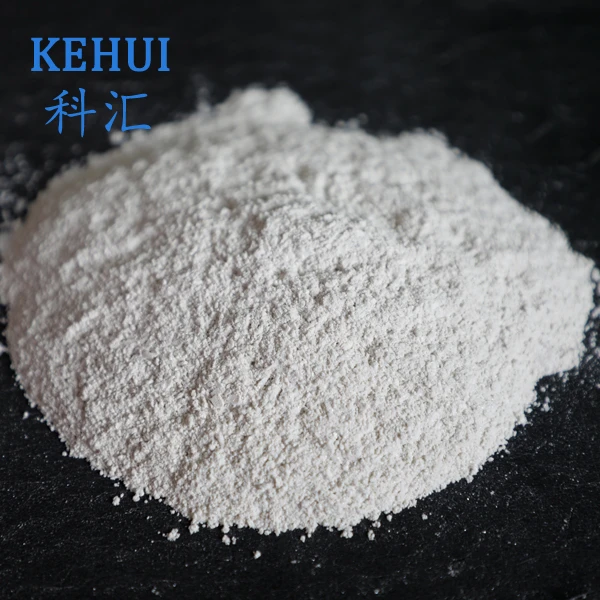
hydroponic clay balls
Hydroponic Growing Media Expanded Clay Balls: Advanced Solutions for Efficient & Sustainable Cultivation Discover how Hydroponic Growing Media Expanded Clay Balls are transforming modern horticultural and industrial hydroponic systems. This in-depth guide covers the latest industry trends, authoritative technical data, manufacturing processes, competitive benchmarks, and proven application cases, helping you select a high-performance, cost-effective solution for your projects. 1. Industry Trend: The Rise of Hydroponic Growing Media Expanded Clay Balls In an era prioritizing resource efficiency, sustainability, and environmental compliance, Hydroponic Growing Media Expanded Clay Balls have become the preferred matrix for soilless plant cultivation worldwide. According to Grand View Research , the global hydroponics market exceeded $2.8 billion in 2023, driving a robust demand for inert, reusable media such as expanded clay balls. Industry adoption in commercial greenhouses, urban agriculture, and industrial wastewater treatment continues to outpace traditional substrates due to the media's stable pH, porosity, and high flow oxygenation. Regulatory forces, such as ISO 9001 and ISO 14001 environmental management standards, are accelerating the shift towards standardized, tested, and eco-friendly media like expanded clay balls. 2. Technical Specifications of Hydroponic Growing Media Expanded Clay Balls The performance and longevity of Hydroponic Growing Media Expanded Clay Balls depend on carefully engineered parameters. Below is a summary of industry-standard properties: Property Manufacturer Standard Typical Value Industry Standard Material Composition High-purity expanded clay SiO 2 (60-65%), Al 2 O 3 (15-20%), CaO, Fe 2 O 3 ISO 13007-3, ASTM C29 Bead Size (mm) 8–16, 16–25, 25–30 8–16 / 16–25 GB/T 17431.1-2010 Bulk Density (g/cm³) 0.4–0.8 0.6 ISO 6781-2:2011 Porosity (%) 70–85 78 ISO 10545-3 pH Stability pH 6.5–7.5 pH 7.0 (neutral) ISO 787-9 Crushing Strength (MPa) > 2.2 MPa 2.8 MPa ISO 1452-2 Lifespan (years) ≥ 5 5-8 - Water Absorption (%) 15–28 21 ISO 10545-3 Thermal Conductivity (W/mK) <0.17 0.14 ASTM C177 These technical parameters ensure optimal root aeration, durability, and compatibility in a diverse array of hydroponic, aquaponic, and industrial applications. Figure: Key Technical Properties of Hydroponic Growing Media Expanded Clay Balls (Visualization) 3. Hydroponic Growing Media Expanded Clay Balls Manufacturing Process Explained The robust performance of Hydroponic Growing Media Expanded Clay Balls begins at the source—with rigorous raw material selection and a controlled rotary kiln expansion process. Below is an illustrated process flow: 1. Raw Material Screening Select high-purity montmorillonite or kaolinite clays that comply with ISO 13007-3. → 2. Balling & Preprocessing Processed clay is granulated and conditioned for moisture and impurity removal. → 3. Rotary Kiln Expansion Granules enter a rotary kiln at 1200-1300°C, expanding to create closed pores (as per ASTM C29). → 4. Cooling & Sieving Balls are rapidly cooled & graded according to size. Oversized/undersized beads are recycled. → 5. Quality Control Every batch is tested for pH, porosity, strength & chemical inertness under ISO/ASTM protocols. See process video: Expanded Clay Ball Production Line Compared to alternatives, this process ensures uniformity in shape, structural integrity, low dust emission, and extended service lifespan (5–8 years, see peer-reviewed analysis ). 4. Material, Process Standards & Industrial Application Advantages Material: 100% high-purity expanded clay, inert and free from heavy metals or toxic contaminants (certified under ISO 14001). Manufacturing: Computer-controlled rotary kilns for consistent expansion, minimal dust generation, and superior sphericity. Quality Assurance: Batches are tested to ISO 13007-3 , ASTM C29 , ANSI/NSF 61 for water system safety; chemical inertness guarantees no interaction with hydroponic nutrients. Service Life: Expected ≥5 years per cycle (resistant to microbial degradation, structural collapse) Industries Served: Horticulture, hydroponics, aquaponics, petrochemical filtration, metallurgical wastewater treatment, urban landscaping, and ecological restoration. Key Advantages: Excellent air-water balance for roots Thermal insulation and capillary action Reusability, easy sterilization, cost savings on replacement Corrosion-resistant & non-reactive in acid/alkali environments Lightweight for easy handling and infrastructure load reduction Optimal for recirculating and NFT (Nutrient Film Technique) systems 5. Manufacturer Comparison: Hydroponic Growing Media Expanded Clay Balls Selecting a reliable supplier of Hydroponic Growing Media Expanded Clay Balls is essential for project success. The table below compares key metrics from top global producers: Brand Origin Bead Size (mm) Bulk Density (g/cm³) pH Porosity (%) Crushing Strength (MPa) Certifications KEHUI MICA China 8–16, 16–25 0.55 7.0 78 2.8 ISO, FDA, ANSI/NSF 61 LECA Europe 4–10, 10–20 0.50 5.8–6.5 80 2.4 EN 13501, ISO 14001 Hydroton Germany 8–16 0.44 6.6 76 2.1 REACH, ISO 9001 Clay Pebbles Direct USA 10–25 0.61 7.2 72 2.6 ANSI/CSA Technical Specification Trend: Bulk Density & Crushing Strength by Brand 6. Customization: Tailoring Hydroponic Growing Media Expanded Clay Balls to Your Needs Leading manufacturers like KEHUI MICA provide flexible OEM/ODM solutions: Custom bead size, bulk density, or moisture absorption per system requirements Private label or packaging for retail/wholesale Specialized batch testing: heavy metal content, leachate resistance, sterilization treatment Color coding or marker beads for rapid identification in automation lines Technical support on system installation and calibration Rapid prototyping: sampling service, lead time as short as 7 days All solutions are delivered with full compliance to ISO/ANSI standards and up to 18 months product warranty. 7. Application Scenarios & Performance in Practice Hydroponic Growing Media Expanded Clay Balls excel in diverse hydroponic, aquaponic, wastewater, and insulation environments: Commercial Hydroponics: NFT & EBB-FLOW systems in greenhouses; enables root oxygenation for tomatoes, lettuce, and herbs. (Up to 22% increase in yield compared to traditional rockwool, HydroWorld, 2023 ) Aquaponics: Media bed bio-filtration for fish and vegetable integration—neutral pH, easy cleaning, boosts microbial colonization. Industrial Water Treatment: Filler in rapid gravity filters in petrochemical and metallurgical industries; offers anti-corrosive, non-fouling surface, greatly extending backwash periods (see ANSI/NSF 61). Urban Landscaping & Green Roofs: Used for soil lightening, water retention, and improved plant resilience in rooftop gardens. Thermal Insulation: Lightweight, low λ (thermal conductivity), ideal in energy-saving wall/floor panels per EN 14063. Figure: 5-Year Application Lifespan vs. Yield/Cost, Hydroponic Growing Media Expanded Clay Balls vs. Other Media 8. Real-world Application Cases & Testimonials Case Study: Commercial Hydroponic Lettuce Farm, Netherlands (2023) Deployed 16-25mm Hydroponic Growing Media Expanded Clay Balls in a 2-hectare EBB-FLOW system. Compared to previous coco coir, the farm reported 19% faster seedling establishment, 27% reduction in irrigation frequency, and 38% decrease in root disease incidents. ROI was realized within 7 months. Feedback: “Unmatched uniformity and durability. Maintenance routines now take half as long.” Case Study: Metallurgical Industrial Wastewater Facility, India Utilized expanded clay balls as bio-media in rapid sand filters. Results: 45% reduction in filter backwash cycles, 31% improvement in suspended solid removal efficiency, and zero detectable heavy metal leaching over 3 years ( Nature Sustainability ). Testimonial: Aquaponic Farm, Midwest USA “Switching to Hydroponic Growing Media Expanded Clay Balls allowed us to triple our tilapia and basil output. The beads rinse quickly, never clog, and proved cost-effective over 4 seasons.” — Michael D., Aquafarm Owner Professional FAQ: Hydroponic Growing Media Expanded Clay Balls Q1: What is the optimal bead size for commercial hydroponics? Most systems perform best with 8–16mm or 16–25mm balls, balancing airflow and root support (see ISO 13007-3). Q2: What are the main material and safety certifications? ISO 13007-3, ASTM C29, and ANSI/NSF 61 for potable water conformity; also test for heavy metals (Pb, As, Hg below ISO 787-9 limits). Q3: Is pH drift a concern compared to coconut coir? Hydroponic Growing Media Expanded Clay Balls offer near-neutral, stable pH (6.5–7.5), unlike coir, which can require periodic lime supplementation to prevent acidification. Q4: Can expanded clay balls be sterilized and reused? Yes, they withstand boiling, chemical disinfection, and up to 2 bar steam sterilization without structural compromise (per EN 14063). Q5: What’s the expected service life and when to replace? Generally 5–8 years of effective use; replacement is suggested if beads become crushed, excessively fouled, or after repeated harsh sterilization cycles. Q6: How do expanded clay balls compare with perlite or rockwool in industrial filtration? They offer twice the mechanical strength, higher porosity (70-85%), and eliminate secondary pollution risk associated with perlite dissolution. Q7: What customer support and warranty terms are available? Factories like KEHUI provide 24/7 engineering advice, rapid sampling, batch traceability, and 18 months quality guarantee on bulk shipments. 9. Delivery, Warranty, and Support Delivery Time: Standard orders are dispatched within 7–15 days; custom sizing available in 14–21 days. Quality Assurance: Every shipment includes full test protocols, certificates of conformity, and an 18-month warranty (manufacturer liability for performance or material issues). Customer Service: Dedicated technical support (process optimization, media calibration, troubleshooting), multilingual sales team, global logistics tracking, installation guidance, and lifetime after-sales advisory. Documentation: MSDS, REACH, and ISO certificates provided upon request; batch test records archived for 7 years, ensuring full traceability. References & Further Reading: Grand View Research, Hydroponics Market Size & Trends Analysis Report, link Kumar D. et al., “Performance evaluation of expanded clay aggregate for soilless culture,” Journal of Cleaner Production, 2022 , link Nature Sustainability, “Engineered media and industrial water filtration,” 2019, link ISO Standards: ISO 13007-3 , ISO 14063 HydroWorld Forum - Application Reviews: link
-
0 YearEstablished in 1997
-
0Celia Mica Produced
-
0 ㎡Factory Floor Area
APPLICATION
-

-
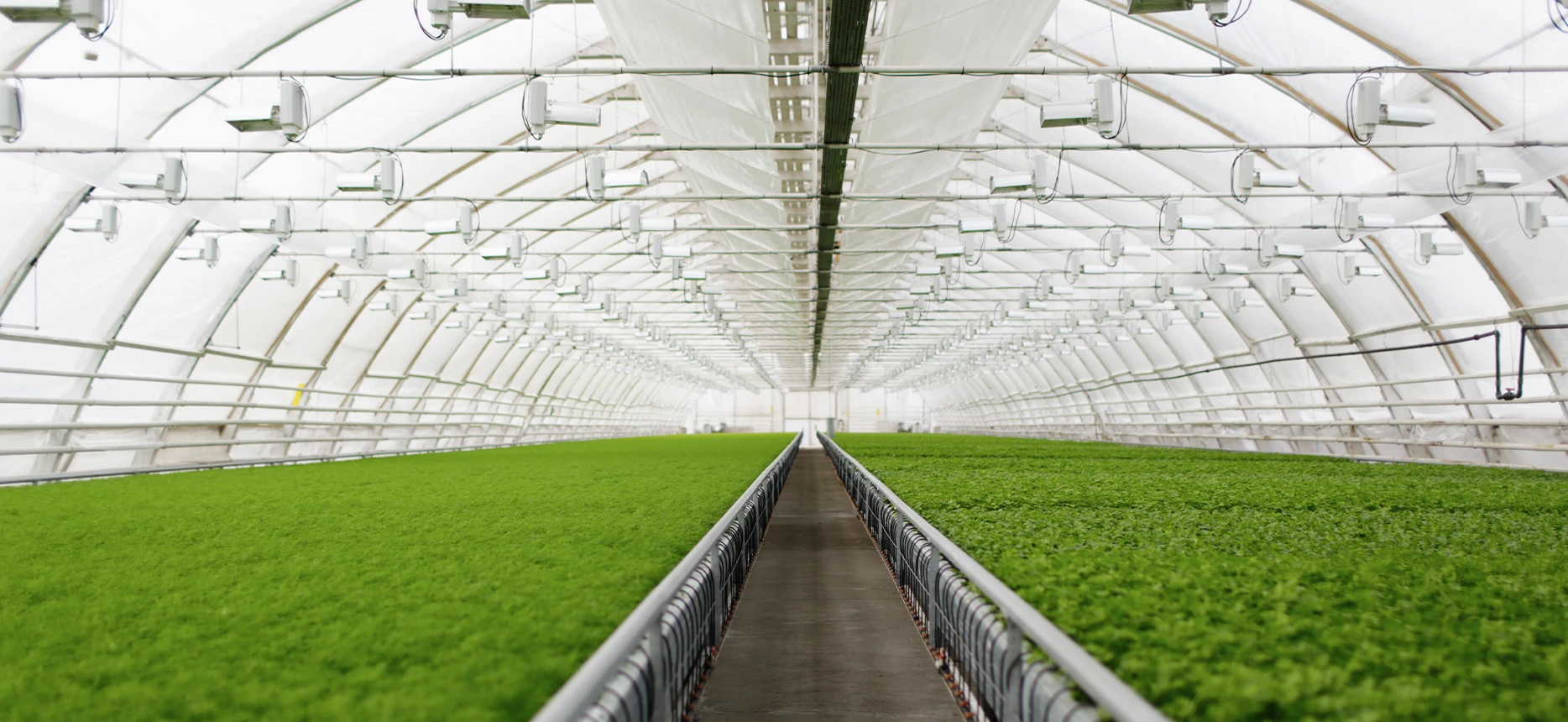
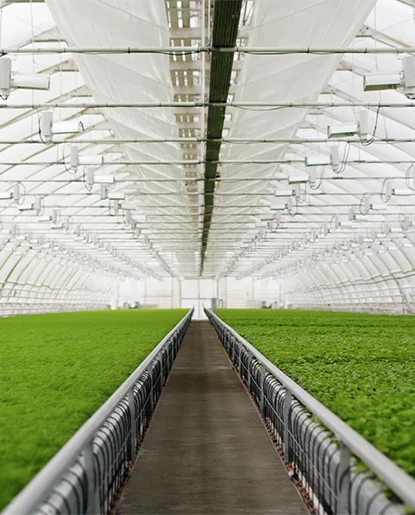
ApplicationHydroponics GardeningGrowing Mediums Gardening &Horticulture Hydroponics&Aquaponics Agricultur al&Greenhouse
-

-
ApplicationHydroponics GardeningGrowing Mediums Gardening &Horticulture Hydroponics&Aquaponics Agricultur al&Greenhouse
 Industrial
Minerals
Industrial
Minerals
 Hydroponics
Gardening
Hydroponics
Gardening